
CABAL: Return of Action
Play This GameRole Playing
4.7422.00 Reviews
- Version
- 1.1.52
- Installs
- 100.00K
- Age Rating
- Teen
Screenshots

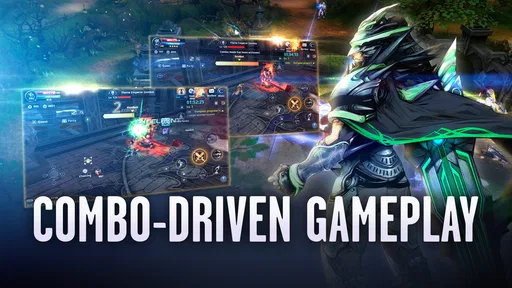


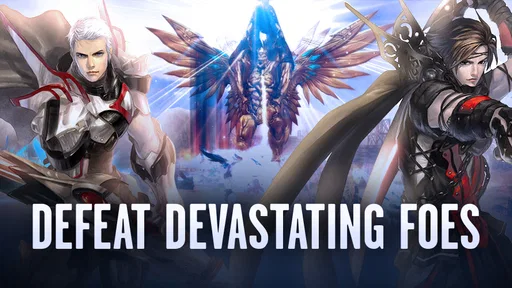
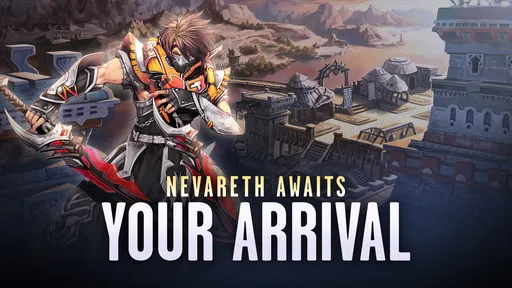
Our Review of CABAL: Return of Action
 Analysis by Appyee
I went into CABAL: Return of Action expecting a mobile role-playing game that would be easy to start but demanding enough to keep me interested. That is broadly what I found. It is a free-to-play MMORPG from Play This Game, built around the familiar appeal of developing a character, taking on battles, and gradually becoming more capable. The store summary presents it as a large-scale adventure, but the more useful question for a new player is whether the opening hours feel understandable and rewarding. In my experience, they do, provided you treat the early game as a guided learning period rather than rushing to optimize everything.
The game is available for Android users on version 6.0 or later, carries a Teen content rating, and has attracted a 4.7 average from around 14 thousand ratings. Those figures suggest that it has found a receptive audience, although popularity alone does not tell you whether its rhythm suits you. I would describe the experience as best for someone who enjoys checking in regularly, improving a character over time, and learning the habits of an online RPG. It is less convincing for a player who wants a short, self-contained adventure with a clearly defined ending.
What to expect when you begin
The first thing to understand is that this is not a traditional offline role-playing game where every decision is carefully framed around a single dramatic campaign. Its appeal comes from the ongoing loop: enter the world, follow the immediate objective, fight, collect progress, adjust your character, and return for the next challenge. That structure can feel comfortable if you like seeing small improvements accumulate. It can also feel repetitive if you need every session to introduce a completely new idea.
I found the opening most enjoyable when I gave myself a modest goal. Instead of thinking about becoming powerful immediately, I focused on learning how movement, combat, objectives, equipment, and character growth fit together. That approach made the game feel less cluttered. MMORPGs often present several systems at once, and CABAL: Return of Action is easier to read when you let each new element become familiar before worrying about the next one.
As a role-playing game, it asks you to think beyond simply winning the current fight. Your choices about how you develop and prepare your character matter more as the demands increase. Even when the next objective seems straightforward, I recommend pausing occasionally to inspect what has changed. New equipment, available upgrades, and unfinished tasks can quietly affect how comfortable the next encounter feels.
The online-RPG format also changes how I judge progress. A single session may not produce a spectacular breakthrough, but it can still be useful if it leaves your character better equipped or gives you a clearer understanding of the game’s systems. This is a good fit for short evening sessions, especially when you already know what you want to accomplish. It is not the ideal choice if you dislike returning to the same game repeatedly to maintain momentum.
Because it is free to download, the initial decision is relatively easy: install it, learn the basics, and decide whether the combat and progression loop hold your attention. The important caution is that free entry does not mean every part of the experience is cost-free. In-app purchases range from $0.99 to $99.99 per item, so I would approach the store with a clear personal limit. The strongest way to enjoy the opening is to learn what can be earned through normal play before deciding whether spending adds meaningful convenience.
Who will probably enjoy it
I would recommend it to players who like persistent characters, regular objectives, and the feeling that yesterday’s progress makes today’s session easier. It may also suit someone looking for a mobile alternative to a larger MMORPG, as long as that person accepts that a phone game has its own pacing and interface compromises. The game gives you a reason to keep developing rather than treating each play session as an isolated match.
It is a weaker match for people who want a purely story-first experience, dislike recurring progression tasks, or prefer games that can be completed without thinking about character maintenance. I would also be cautious if you are easily tempted by optional purchases. The broad price range of the in-app items means discipline matters more than it would in a one-time premium game.
First setup: making the opening less confusing
My advice after installing is simple: do not try to understand the entire game at once. Start by following the immediate path placed in front of you. Complete the early instructions, read the short explanations instead of tapping through them automatically, and notice which actions the game is teaching you. The first useful success is not a difficult victory; it is reaching the point where you can identify your current objective and know which menu or location helps you complete it.
Before you begin experimenting, take a moment to learn the visual language of the interface. Online RPGs commonly place combat controls, character information, objectives, and rewards in different parts of the screen. When several prompts appear together, I find it helpful to deal with the most direct task first and postpone optional screens. This prevents the early experience from turning into a tour of menus rather than an adventure.
A practical first-session routine works well here. I would begin by completing the next available objective, then inspect the reward or character screen afterward. That order matters. Looking at every system before playing can make the game seem more complicated than it is, while checking your progress after an objective gives each menu a clear purpose.
You should also decide early how you want to handle optional spending. I prefer playing through the opening without buying anything, because that gives me a better sense of the normal progression and shows which improvements are genuinely useful. If you later choose to spend, make the decision based on a specific frustration rather than on a vague feeling that you should progress faster. That small rule keeps the game’s free starting point from becoming an unplanned expense.
The Teen rating is worth keeping in mind for younger players and families. It places the game in a category intended for teenage audiences rather than very young children. I would still judge it according to the individual player’s comfort with online role-playing themes and the presence of optional purchases.
How I reached the first meaningful success
For me, the first meaningful success came from completing an early objective and then using the resulting progress deliberately instead of immediately chasing the next marker. I checked what had improved, looked at the character’s current state, and returned to the main path with a better idea of what the game expected. That may sound modest, but it is the moment when the experience changes from “tap through the introduction” to “I understand how my actions lead to progress.”
New players should repeat that pattern. Finish one clear task, examine what it changed, and then choose the next task. If a fight feels uncomfortable, do not assume the answer is always to push forward harder. Sometimes the better move is to review your available development options or make sure you have not overlooked a reward. This is one of the most useful habits I took from the opening: use progress as information, not just as a number.
Another helpful habit is to separate learning from optimization. During the first few sessions, an imperfect choice is not automatically a disaster. You are still discovering what kind of character management and combat rhythm you enjoy. Trying to copy an imagined ideal build too early can make the game feel like homework. I had a better time making sensible choices, observing the result, and refining my approach once I understood the basics.
When you have limited time, choose a single purpose before opening the game. For example, you might aim to complete the next objective, improve one aspect of your character, or simply learn a combat interaction. This keeps a persistent RPG from swallowing an entire evening without a clear sense of accomplishment. It also makes the game easier to recommend to a friend who has only a few minutes available after work or school.
Common points of confusion and friction
The biggest challenge for a first-time player is not necessarily the individual controls; it is understanding how the many parts of an MMORPG relate to one another. Objectives, character growth, rewards, equipment, and optional systems can all compete for attention. My solution was to treat the main path as an anchor. I explored side elements only after I knew what the current primary goal was.
Another source of friction is the difference between visible activity and meaningful progress. A busy screen can make it feel as if you are accomplishing a lot, but not every available action deserves immediate attention. If you find yourself opening menus without knowing why, return to the current objective and ask what problem you are trying to solve. That question is surprisingly effective at cutting through the noise.
Players coming from offline RPGs may also need to adjust their expectations about pacing. In a conventional single-player game, the story often tells you why the next activity matters. In an MMORPG, the motivation can be more practical: improve your character, prepare for harder content, or continue a long-term personal routine. If the world does not immediately feel like a tightly edited campaign, that is part of the format rather than a sign that you are playing incorrectly.
I also would not judge the game solely by the first few minutes. The opening is designed to teach and direct, so it may not reveal the full appeal of long-term character development. At the same time, do not force yourself to continue indefinitely if the basic combat rhythm already feels dull. The later promise of progression cannot fix a core interaction that you simply do not enjoy.
Optional purchases deserve a separate warning because they can change how you perceive progress. Seeing items at different price points may create pressure to accelerate, especially when a stronger character is your main motivation. I recommend deciding what “good progress” means before browsing those offers. If your goal is to learn the game and enjoy gradual growth, buying something is not automatically an improvement. If your goal is to save time and you are comfortable with the cost, then the choice becomes more personal, but it should still be deliberate.
A realistic everyday session
Imagine that I have a short break in the evening and want to play without committing to a long session. I would open the game, check the current objective, complete the most direct activity, and then spend the remaining time reviewing the reward and preparing for the next task. If the next challenge looks demanding, I would stop there rather than starting a second objective with no time to finish it. That creates a clean stopping point and makes the next session easier to resume.
On a quieter weekend, I would use the extra time to explore character development more carefully. I would compare the result of recent progress with the demands of the next objective, then decide whether to continue the main path or strengthen the character first. This two-speed approach is useful: short sessions maintain continuity, while longer sessions are reserved for learning and adjustment.
The trade-off is that this kind of game rewards consistency more than occasional bursts. If you only play once in a while, you may forget where you were or feel that the character has fallen behind your expectations. For regular players, that same persistence is the attraction. The game becomes a familiar routine rather than a title that must reinvent itself every time you open it.
How it compares with other mobile role-playing choices
Compared with a single-player role-playing game, CABAL: Return of Action is more focused on ongoing development than on a fixed journey you can finish at your own pace. A premium offline alternative may offer a cleaner interface, a more controlled story, and fewer reasons to revisit the same systems. This game answers with a broader sense of continuity and the satisfaction of maintaining one character over time.
Compared with a short action game, it asks for more patience. You are not simply measuring success by a score from one match. You are building context around your character, and that can be more rewarding if you enjoy long-term goals. If you want instant rounds, minimal menus, and no commitment between sessions, another genre will probably serve you better.
It also differs from games that put nearly all their emphasis on automatic progression. Here, I found it more useful to stay aware of what my character was gaining and why the next objective mattered. Players who enjoy making small decisions should appreciate that involvement. Players who want to press a button and let the game handle most of the work may find the extra attention unnecessary.
The best comparison depends on what you value. Choose this game over a conventional offline RPG when you want an ongoing mobile MMORPG routine. Choose an offline alternative when you want a self-contained story and predictable completion. Choose a faster action title when you care more about immediate responsiveness than character development. None of those choices is universally better; they simply serve different moods.
What to do after the opening
Once the basic loop feels familiar, I would set a personal progression rule. One option is to follow the main objectives until a challenge exposes a weakness, then spend time improving the relevant part of the character. Another is to play with a specific style in mind and observe which choices support it. The important point is to give your development a reason. Randomly collecting upgrades can make the game feel busy without making it feel purposeful.
Keep an eye on the difference between a reward that helps immediately and one that only looks attractive because it is new. I found that pausing to ask how an item or improvement supports the next objective is more useful than automatically selecting the most recent option. This is a small but non-obvious advantage for new players: the habit reduces clutter and makes later decisions easier.
I would also recommend taking breaks before the progression loop becomes tiring. MMORPGs are designed to be revisited, but that does not mean every session needs to be long. Stopping after a completed objective preserves a sense of momentum and avoids turning a game you enjoy into a daily obligation. If you return because you want to see what happens next, the routine is working. If you return only because you feel pressured to keep up, it may be time to step away.
The current version is 1.1.52, and the game has passed one hundred thousand installs. That gives a new player some reassurance that this is not an empty experiment with no audience, but I would still base the decision on the actual play style rather than those milestones. A large player base cannot make a game enjoyable for someone who dislikes persistent online progression.
After spending time with it, I see CABAL: Return of Action as a solid choice for a first-time MMORPG player who is willing to learn gradually. Its free starting point makes experimentation easy, its role-playing structure gives each session a longer purpose, and its strongest moments come when you connect a completed objective with a deliberate improvement. The main limitations are the familiar ones: the interface can take patience, the ongoing loop will not suit everyone, and optional purchases require self-control.
I would tell a friend to install it if they want a mobile character-building routine rather than a quick, finished adventure. I would suggest starting slowly, ignoring the urge to understand every system immediately, and treating the first successful objective as a lesson in how progress works. If that rhythm feels satisfying, the game has enough of an ongoing framework to become a regular part of your play time. If it feels like repetitive maintenance from the beginning, an offline role-playing game will probably be the better choice.
For me, the deciding factor is that the game gives beginners a manageable path into a larger MMORPG experience. You do not need to master everything on the first day. Follow the next useful task, inspect what you earned, make one thoughtful improvement, and return when you are ready. That approach makes the opening more reassuring and gives you a fair test of whether this adventure deserves a place on your phone.
Verdict
Strengths of CABAL: Return of Action
- Faithful recreation of the classic CABAL combat experience
- Fast-paced skill combos make battles feel active and rewarding
- Large variety of quests, dungeons, and PvP activities
- Distinct classes offer different playstyles and progression paths
- Regular events provide extra rewards and reasons to return
Limitations of CABAL: Return of Action
- Auto-play can make parts of the progression feel less interactive
- Upgrade systems may seem complex to newcomers
- PvP balance can vary between classes and equipment levels
- Progress may slow significantly without consistent daily play
- Requires a stable internet connection to access most features
Similar Picks in This Category
View All
Hair Dye
CrazyLabs LTD4.4

Monster High™ Beauty Salon
CrazyLabs LTD4.5

Bus Simulator - Bus Games 3D
Jima Apps4.4

Flight Pilot: 3D Simulator
Wildlife Studios4.1


Super Stylist Fashion Makeover
CrazyLabs LTD4.4
Frequently Asked Questions
What is CABAL: Return of Action?
CABAL: Return of Action is a mobile MMORPG inspired by the CABAL franchise, combining real-time combat, character progression, quests, dungeons, equipment upgrades, and competitive modes. Players choose a class, develop their skills, explore the game world, and participate in battles against monsters and other players. Its main appeal is the fast-paced action system and the large amount of content available as your character advances.
Is CABAL: Return of Action free to download and play?
The game can generally be downloaded and started without an upfront purchase, but it may include optional in-app purchases. These purchases can provide items, currency, cosmetic content, progression materials, or other conveniences. Players who prefer not to spend money can still experience the core game, although progression speed and access to certain advantages may differ from users who make purchases. Check the store listing for current pricing and availability.
Does CABAL: Return of Action require an internet connection?
Yes, CABAL: Return of Action is designed as an online multiplayer game and normally requires a stable internet connection. Online access is needed for logging in, synchronizing progress, joining events, entering dungeons, and interacting with other players. Because combat and progression depend on server communication, playing over an unreliable mobile network may cause lag, disconnections, or lost battle opportunities. Wi-Fi is recommended for longer sessions.
What devices are compatible with CABAL: Return of Action?
Compatibility depends on the operating system version, device hardware, available storage, and the game’s current technical requirements. Since this is a visually demanding online RPG, newer Android and iOS devices usually provide smoother performance, faster loading, and better stability. Before downloading, review the official store page to confirm supported operating-system versions and make sure you have enough free storage for the initial installation and later updates.
Is CABAL: Return of Action suitable for new MMORPG players?
Yes, newcomers can enjoy CABAL: Return of Action, although the number of systems may feel overwhelming at first. The game typically introduces combat, quests, equipment, skills, and character development gradually, while tutorials and early missions help explain the basics. However, players should expect a long-term progression experience with recurring events, upgrades, and multiplayer activities. Reading skill descriptions and managing equipment carefully will make the early experience easier.
Play our best games!


